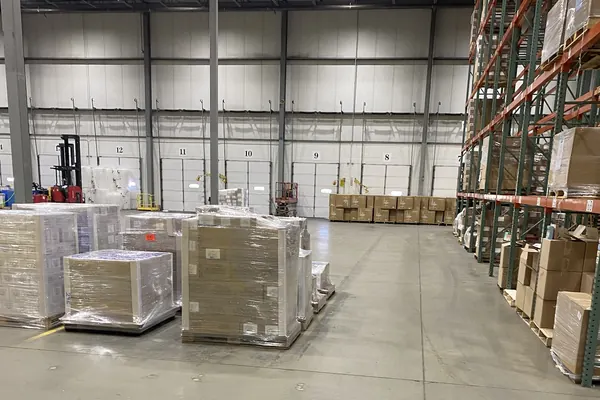
- Verisk CargoNet counted nearly $725 million in U.S. and Canadian cargo theft losses in 2025, up 60%, and New Jersey incidents rose about 50%.
- Most warehouse losses do not come from someone breaking through a wall. They come from the dock, the yard, and the paperwork at the handoff.
- Every dock door monitored, cameras that can read a trailer number and a seal, and a driver process that does not depend on trust. Call 732-346-5333 for a dock walk-through.
Why the Dock Is the Weak Point
The loading dock is where your inventory changes hands, and that makes it the most valuable doorway in the building. According to Verisk CargoNet's 2025 figures, cargo theft losses in the U.S. and Canada hit nearly $725 million last year, up 60%, while the average theft grew to roughly $274,000. New Jersey saw one of the biggest jumps in the country, with incidents up about 50%.
The pattern has changed too. Organized groups increasingly steal by deception rather than force: a pickup booked with legitimate-looking carrier credentials, a driver who shows up a few hours early, a load that leaves the dock on schedule and never arrives. Your fence can be perfect and you can still lose a trailer. That is why dock security is part hardware and part process.
Monitor Every Dock Door
Overhead dock doors are large, easy to leave cracked open, and often the least-monitored openings in a building. The fix is simple and inexpensive relative to what moves through them:
- Heavy-duty overhead door contacts on every dock door, each on its own zone so the alarm log tells you exactly which door opened.
- After-hours alerts. A dock door that opens at 2am should be a central station event, not something you find in the morning.
- Door-left-open notifications during the day. A door left up after the last trailer pulls away is an invitation.
- Man doors next to the docks on access control, not a propped door with a brick in it. Our post on locking exit doors under NJ fire code covers how to control those without creating an egress problem.
Cameras That Answer the Questions a Claim Will Ask
When a load goes missing or a shipment arrives short, the questions are always the same: which trailer, which door, what time, was the seal intact, and who was driving. Place cameras to answer those questions, not just to cover the area.
- Inside, one camera per two or three doors, aimed at the trailer opening so you see what was loaded and the seal being applied.
- Outside on the apron, angled to capture trailer numbers and the tractor's plate as it backs in.
- At the gate, a license plate camera and a view of the driver window. A clear face and plate at check-in is the single most useful clip in a cargo theft investigation.
- Synced time. Camera clocks should match your warehouse management system so footage lines up with the bill of lading.
- Retention of 60 to 90 days. Shortages and claims often surface weeks after the shipment left.
Outdoor dock and yard cameras need to perform at night, when most yard theft happens. See our Edison warehouse color night camera install for what that looks like in practice, and our guide to commercial camera costs for budgeting.
Driver and Carrier Verification
Technology supports the process, but the process is what stops fraud-based theft. The warehouses that avoid fictitious pickups tend to do the same handful of things:
- Keep drivers off the floor. A driver check-in window or lounge with its own entrance, and an access-controlled door between drivers and the warehouse.
- Verify before you load. Match the driver, truck, and trailer to the booking. Photograph or scan the driver's license and the truck at check-in.
- Treat late changes as red flags. A new driver name, a different carrier, or a request to pick up early deserves a phone call to the broker using a number you already have on file.
- Record the seal number on the paperwork and on camera before the trailer leaves.
The Yard and the Gate
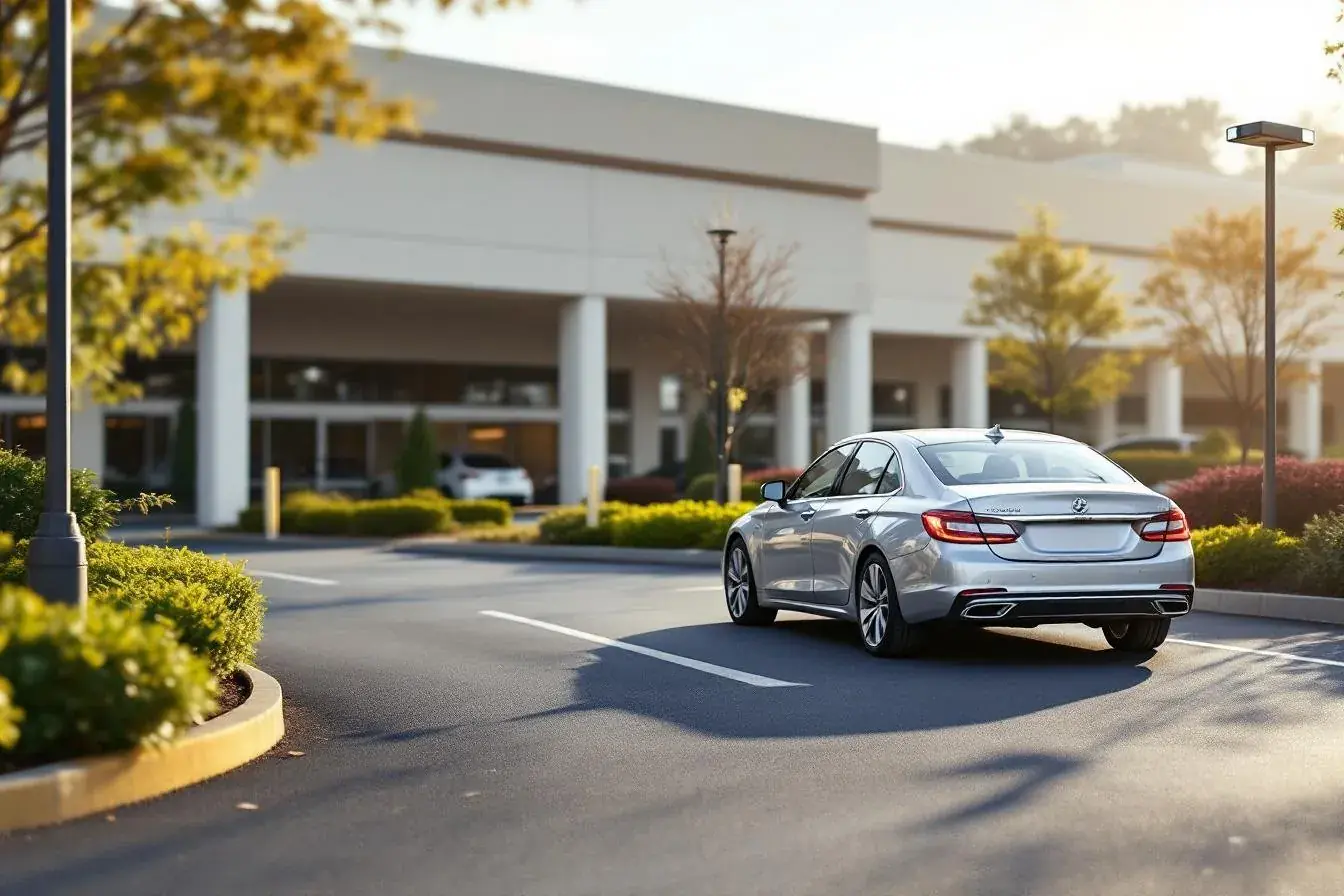
Loaded trailers parked overnight are one of the easiest targets in the supply chain. A controlled gate with an intercom, credential reader, or license plate recognition, plus camera coverage of the trailer rows and fence line, turns the yard from an open lot into a monitored space. Physical locks on kingpins and glad hands add another layer for trailers that sit over a weekend.
Staging Areas and High-Value Product
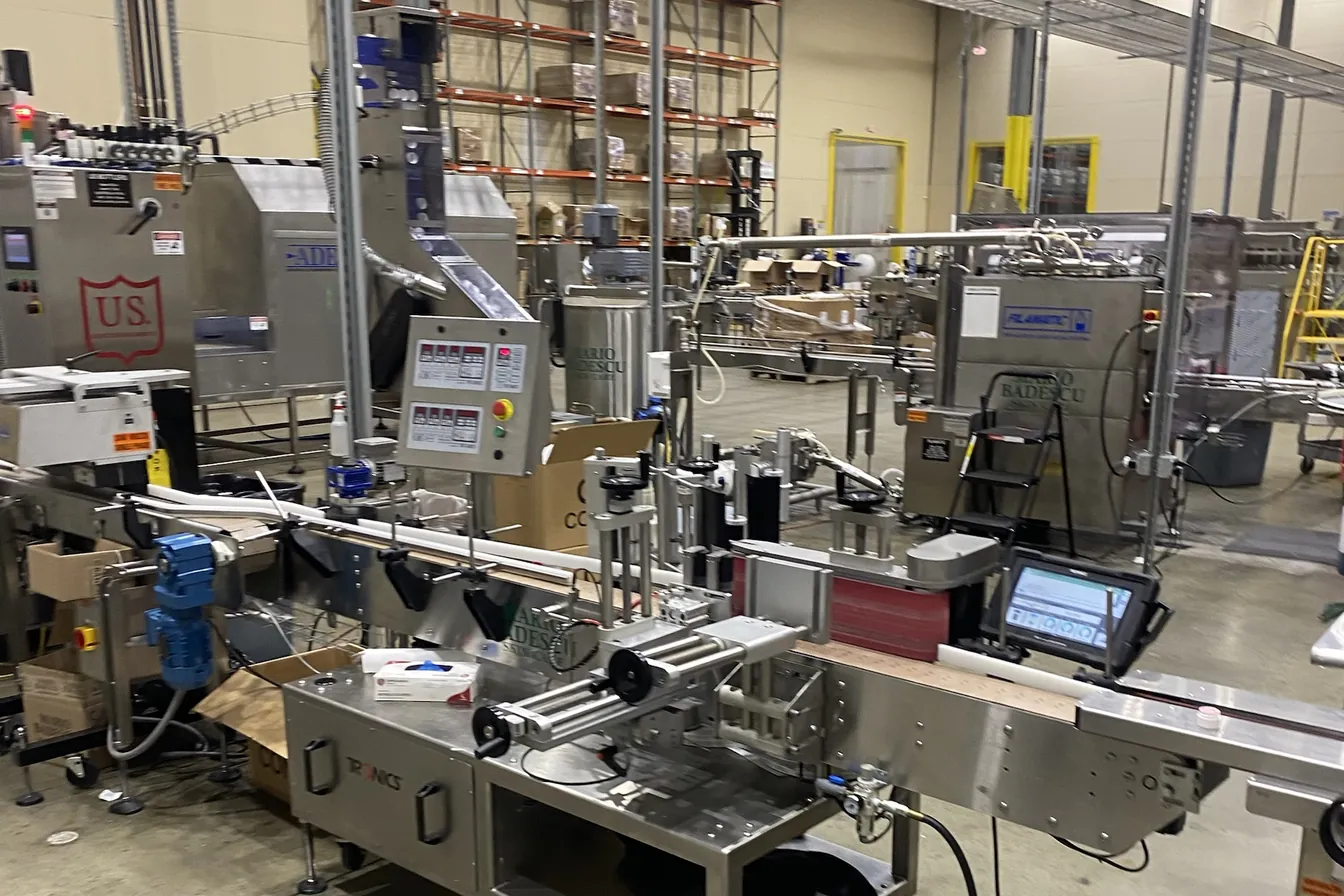
Product staged near the docks sits in the busiest, least supervised part of the building. Keep high-value goods in a caged or walled area on access control, so every entry is tied to a person, and put a camera on that door. Electronics, pharmaceuticals, metals, and food and beverage loads have all been heavily targeted in recent years.
Tie It Together
The strongest dock setups connect the pieces: a dock door contact that bookmarks the nearest camera, an access log that sits next to the video, and after-hours alarms that go to a central station able to pull up live video before dispatching. Our broader warehouse security guide covers the rest of the building.
We design dock and yard security for warehouses and distribution centers in Edison, Woodbridge, South Brunswick, Piscataway, and across Middlesex, Monmouth, Union, Somerset, Essex, and Morris counties. Call 732-346-5333 or use the form below.