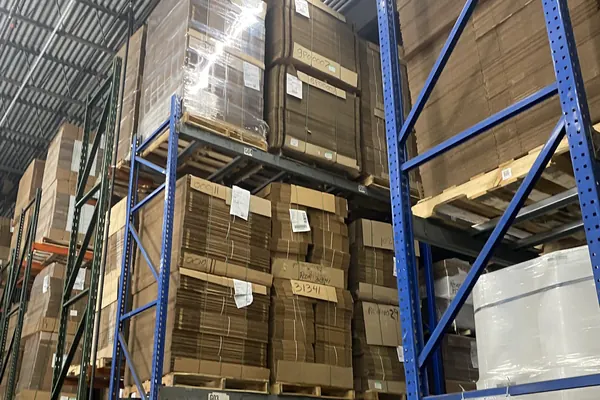
- Warehouses break the assumptions an office fire alarm is built on: 30 to 40 foot ceilings, huge open volumes, high-piled storage, and very few people in the building at night.
- In most sprinklered warehouses the sprinkler system is the main line of defense, so monitoring its waterflow and valves around the clock matters as much as any detector.
- Changing what you store, how high you stack it, or who occupies the building can change what the code requires. Call 732-346-5333 before the racks go up.
Why Warehouses Are Different
A typical office fire alarm assumes a ceiling around 9 feet, rooms that fill with smoke quickly, and people around to notice. A New Jersey distribution center has none of that. Ceilings run 30 to 40 feet, the open floor can cover several acres, racks hold cardboard and plastic wrap to the rafters, and overnight there may be a handful of people in the whole building. Fire protection has to do the noticing on its own and get help moving fast.
Smoke Detection Under a High Ceiling
Ordinary spot smoke detectors struggle at warehouse heights. Smoke from a fire at floor level cools and spreads as it rises, and it can stratify below the roof before reaching a ceiling-mounted detector. Where smoke detection is required or wanted in a high-bay space, the common approaches are:
- Beam detectors, which project across the open space and detect smoke obscuring the beam anywhere along its path.
- Air-sampling (aspirating) systems, which draw air through a network of small pipes to a very sensitive detector, and are often used where early warning matters or ceilings are very high.
- Heat detection in areas where smoke detection is impractical, such as dusty or unconditioned spaces.
In many sprinklered warehouses, the sprinkler waterflow signal is the primary fire alarm, with smoke detection used where the code calls for it, such as at the fire alarm panel, in offices, or for elevator recall. The right design depends on the building and what the local fire official requires.
Monitoring the Sprinkler System
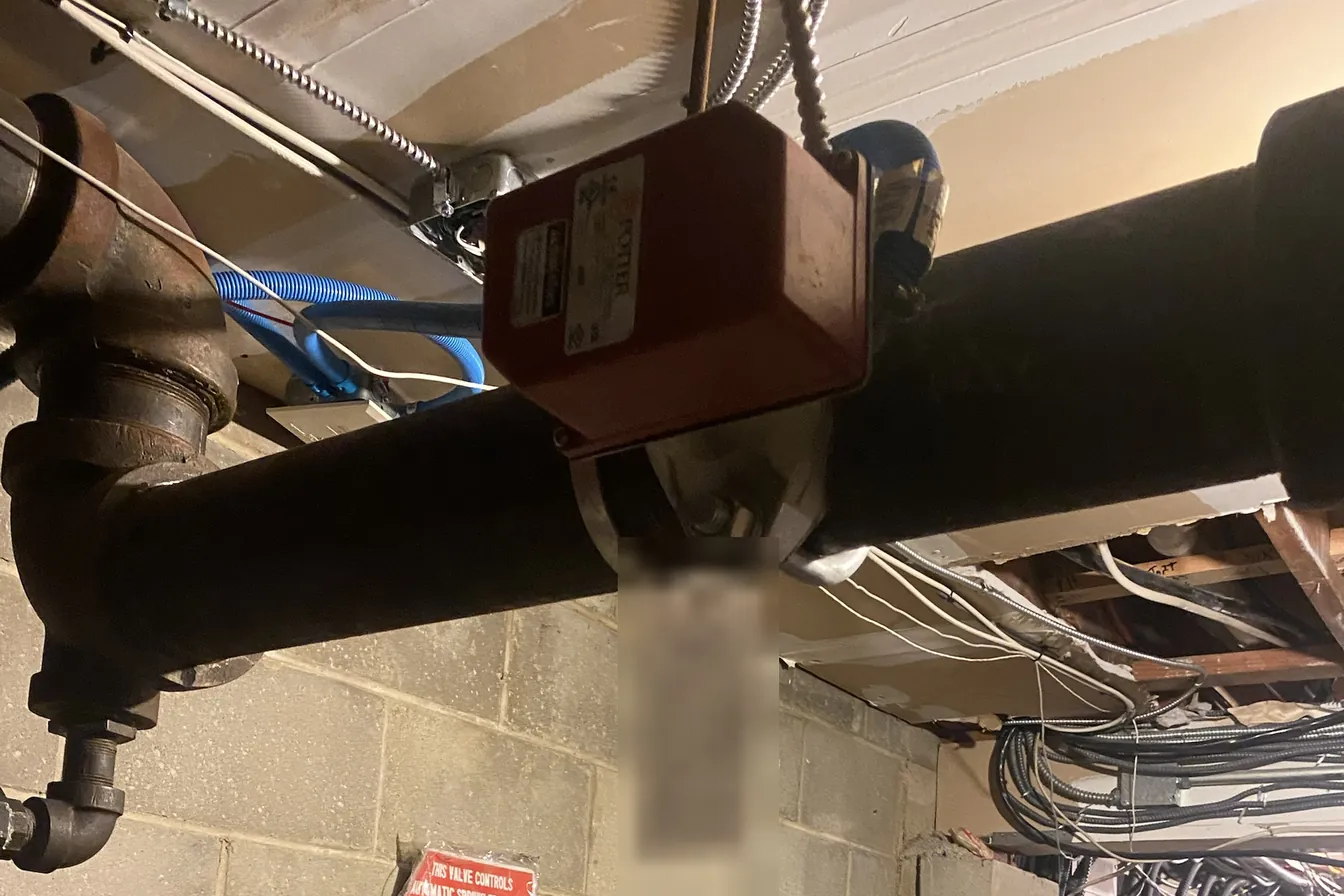
A sprinkler system only works if water can reach the heads, and NFPA research has repeatedly found that when sprinklers fail to operate in a fire, the most common reason is that the system was shut off. That is why sprinkler systems are tied into the fire alarm and generally monitored by a central station around the clock:
- Waterflow switches send an alarm when water moves through the pipe, meaning a head has opened.
- Valve tamper switches send a supervisory signal the moment a control valve starts to close, so a valve left shut after maintenance gets caught the same day.
- Fire pump status, where there is a pump: running, power loss, and phase problems.
- Low air pressure on dry systems in unheated areas such as dock areas and canopies, and low temperature in the riser or pump room.
High-Piled Storage and Changing Commodities
The fire code treats combustible storage above about 12 feet (lower for high-hazard goods) as high-piled storage, which brings additional requirements for sprinkler design, aisle widths, and sometimes detection and smoke removal. The sprinkler system in your building was designed for a specific storage height and type of commodity. Raising the racks, switching from boxed paper goods to plastics or aerosols, or adding a mezzanine can mean the system no longer matches what is actually stored.
Lithium-ion batteries deserve their own mention. They burn hot, can reignite, and are showing up in more NJ warehouses through e-commerce, tools, and electric equipment. Newer fire code editions and many insurers now treat battery storage specifically, so talk to your fire protection engineer and insurance carrier before batteries move into a building that was not designed for them.
When the Tenant Changes
Warehouse buildings in New Jersey turn over constantly, and the fire alarm is easy to overlook in the shuffle. Before a new tenant moves product in:
- Keep the monitoring account active. A building that goes unmonitored for a few weeks between tenants is a real risk, and it happens more than you would think.
- Update the central station contacts, zone descriptions, and Knox box keys for the new occupant.
- Review the system against the new use. New office build-outs, new racks, or a different commodity can all trigger fire alarm and sprinkler changes and the permits that go with them. Our post on fire alarms during a commercial renovation walks through that process.
- Get a full inspection so the new tenant starts with a clean record instead of inheriting someone else's deficiencies.
Inspections Keep It Honest
The fire alarm side follows an annual inspection and testing cycle, and sprinkler systems have their own schedule under NFPA 25 with some items checked more often. Warehouses tend to fail on the same things other buildings do, plus a few of their own: tamper switches that were never wired back, detectors that were never relocated after racks went in, and dock-area dry systems nobody remembers exist. See how often commercial fire alarms need inspection and why NJ buildings fail fire alarm inspections.
We design, install, monitor, and inspect fire alarm systems for warehouses and industrial buildings in Edison, Woodbridge, South Brunswick, Piscataway, and across Middlesex, Monmouth, Union, Somerset, Essex, and Morris counties. Call 732-346-5333 or use the form below.