- Burglaries spike when families travel.
- The 12-point before vacation security checklist that protects your NJ home | most are free, none take more than 10 minutes.
- Questions about your property? Certified Protection answers them free: 732-346-5333.
Why Vacation Burglaries Are Different
An opportunistic burglar walking down a street looking for a target makes their decision in 30 seconds based on visual cues. A house being lived in looks one way. A house being unoccupied looks another way. The difference between the two is rarely about locks or alarms, it's about visible signals that someone is home.
Vacation period burglars also have something working in their favor that everyday burglars don't: time. They know nobody is coming home in 20 minutes. They can take the house apart at their leisure, look for valuables, and leave with everything that fits. The damage done in a single vacation period break in often exceeds what a normal break in would cause, because there's no rush to get out.
The goal of the before vacation checklist is simple: make your house look occupied, eliminate easy entry points, and ensure that if something does happen, someone responds fast.
The 12-Point Checklist

1. Don't Announce Your Absence on Social Media
The single most broken rule. Posting "Heading to Greece for two weeks!" on Instagram is essentially a property listing for burglars. Even if your account is private, screenshots travel.
The simple fix: post your vacation photos after you're home. Not while you're away. Not from the airport. Not from the hotel pool. After.
This applies to Facebook, Instagram, TikTok, Twitter, LinkedIn, anywhere your timeline shows your physical absence to strangers, near strangers, or even people you trust whose accounts could be compromised.
2. Stop the Mail and Newspaper Delivery
A pile of newspapers on the front steps and an overflowing mailbox is a billboard. The U.S. Postal Service holds mail for free at usps.com/holdmail. Newspapers can be paused with a phone call to your delivery service.
For longer trips, ask a trusted neighbor to physically check your mailbox every few days even if it's been on hold, postal workers occasionally still leave packages, and the absence of any visible activity is itself a signal.
3. Set Multiple Lights on Timers
The dark house at 9 PM tells anyone driving by that nobody's home. The lit house tells them someone is. You don't need fancy smart bulbs, basic mechanical timers from any hardware store work perfectly. Better yet, use smart plugs you can control remotely or set on randomized schedules.
Recommended setup:
- Living room or main room, on from dusk to ~10 PM
- Bedroom or upstairs hallway, on from ~9:30 PM to 11 PM
- Bathroom or another upstairs room, brief late evening cycle (10:45-11:15 PM)
- Front porch or exterior light, on from dusk to dawn
Vary the times slightly day to day if your timers support it. The pattern of "exact same lights on at exact same time every night" is itself a signal that timers are running.
4. Have Someone Park in Your Driveway Periodically
Few things signal "occupied" like a car in the driveway. If you're flying out and leaving your cars at the airport, ask a neighbor to park their second car in your driveway a few days during your trip. It costs nothing, takes 30 seconds, and is one of the highest value visual cues.
5. Arrange Lawn Care
An overgrown lawn during peak growing season is the second most obvious telltale after a stuffed mailbox. Schedule landscaping for the weeks you'll be away, even if it's not in your normal cycle. Most landscapers can add a one off mowing.
Same logic for snow if you're traveling in winter, un shoveled walks after a snowstorm tell everyone something. Pre arrange snow service.
6. Lock Every Window, Especially Upstairs
Most homeowners lock the front door religiously and leave second floor windows unlocked because "who would climb up there?" The answer, when nobody is home and there's no rush, is "anyone with 5 minutes and a ladder from your own garage."
Walk every window in the house. Lock every one. Bonus: many windows have a secondary stop or pin position that allows them to be partially open for ventilation but not opened wider, useful if you have plants that need airflow.
7. Consider What's Visible Through Windows
Walk around your house from the outside. What's visible through the windows? Big screen TVs, jewelry boxes, gun cabinets, identifiable boxes from expensive recent purchases, anything that signals "valuables here" should be moved out of view before you leave. Especially through ground floor windows.
8. Set Your Alarm System Properly (Stay vs Away)
If you have a security system, "Stay" mode and "Away" mode behave differently. Most systems in Stay mode disable interior motion sensors so you can move freely while at home with the alarm armed. Away mode activates everything, including motion sensors, which is what you want for a vacation.
If you don't know how to switch your system to Away mode, give us a call before you leave. We'll walk you through it for any system, regardless of who installed it.
9. Test the Alarm Before You Go
The week before vacation is also a good time to test your system. Most central station providers can put your account in test mode while you trigger sensors to verify they're communicating properly. Catching a dead sensor or comm failure before you leave is far better than discovering it when you call to ask why nobody responded to a break in.
If you have central station monitoring with us, just call and we'll run a full system test with you.
10. Notify a Trusted Neighbor and Local Police
Tell two or three trusted neighbors that you'll be away. Give them a key (or smart lock access), your contact info, and the dates. They become your eyes on the property. Most break ins are reported by neighbors who notice something off, no neighbor relationship means no early warning.
Many NJ municipalities also offer free "vacation watch" programs through the local police. Officers drive past periodically as part of their patrol. Call your local department's non emergency line a week or two before you leave to enroll.
11. Lock Up Valuables, Documents, and Spare Keys
Things to put in a safe (or at minimum, hide thoroughly) before leaving:
- Passports, social security cards, birth certificates
- Tax documents and financial records
- Jewelry not being worn on the trip
- Cash, gift cards, gold/silver
- Spare keys (especially that "hide a key" rock everyone forgot is by the back door)
- Firearms, properly secured per NJ regulations
The best safe in the world doesn't help if it's not actually being used. Lock the safe. Verify it's locked.
12. Set Up Smart Home Notifications
If your security system or home automation supports smartphone alerts, configure them before you leave so you know about:
- Door open/close events
- Motion detection in unexpected areas
- Alarm activations of any kind
- Smart lock unauthorized attempts
- Unusual temperature or water leak alerts
You don't want to be glued to your phone on vacation, but a real time notification of "front door opened at 2:14 AM" lets you respond fast, call neighbors, dispatch police, contact your monitoring company.
The Things You Don't Need to Worry About
For balance, here's what's overhyped and not worth your prep time:
- Unplugging electronics for "security." Outlets in walls don't help burglars. Unplug for energy savings if you want, not for safety.
- Leaving the radio on. Once a real value add. In 2026, doesn't add much over good lighting timers.
- Buying expensive "fake TV" devices. Marketing driven products. A normal lamp on a smart plug accomplishes more.
- Shutting off your water main. Smart for very long trips, irrelevant for security.
If You Have Live Video Surveillance
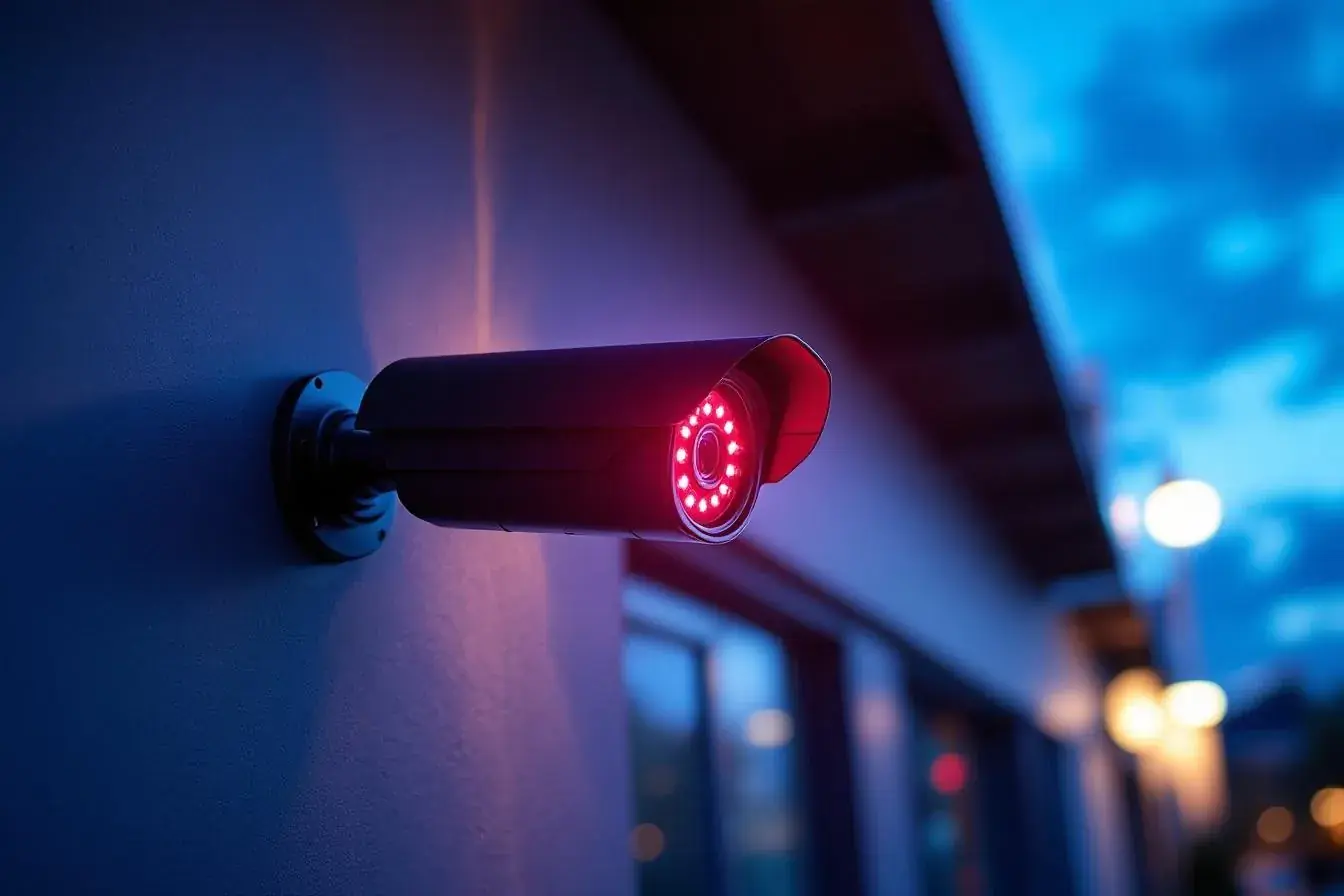
Cameras with smartphone apps let you check on the house from wherever you are. Useful, but with two important caveats:
- Don't rely on yourself to monitor cameras 24/7 from vacation. You're on vacation. Set up motion triggered alerts and respond to those.
- Pair cameras with monitoring, not replace monitoring with cameras. Cameras record what happens. Monitoring services respond to what happens. Both matter.
We have a full breakdown of camera placement strategy here.
What to Do If Something Happens While You're Away
If your alarm triggers, your monitoring service activates standard procedure: attempt to contact you, verify the alarm if possible, and dispatch police if not verified or if all signs point to a real break in. From there:
- Police will respond and clear the property
- You'll be notified by your monitoring service
- Your trusted neighbor (this is why step 10 matters) can secure things for you until you're home
- File a police report and notify insurance promptly, even minor break ins get easier to handle when documented immediately
The point of all this prep isn't paranoia. It's the opposite, if you've done the checklist, you can actually enjoy your vacation without thinking about whether your house is okay. That's the whole point.
How We Help
We've been securing NJ homes for over 40 years. Before any longer vacation, we offer free system reviews to existing customers, we'll verify your sensors are responsive, your communication path is healthy, and your settings are configured for "away" mode. For homes without monitoring, a one time before vacation security audit is $0 and comes with specific recommendations for your property.
Free consultations across Edison, Princeton, Morristown, Freehold, Bridgewater, and the rest of New Jersey. Call 732-346-5333.