- Residential break ins in New Jersey rise notably from June through August.
- The actual reasons, the patterns, and the prevention measures that work.
- Questions about your property? Certified Protection answers them free: 732-346-5333.
The Pattern Is Real and Predictable
National crime data consistently shows summer month residential burglary rates running roughly 10-15% higher than the annual average. The pattern holds in New Jersey, with peaks typically in July. The reasons aren't complicated:
- People travel. Vacations leave homes empty for extended stretches.
- People are outside. Backyards occupied, garage doors open, windows unlocked for ventilation.
- Daylight is long. Burglars don't need to wait until late night, they have working hours from 9 AM to 9 PM.
- School is out. Houses that normally have kids/parents in them midday now sit empty.
- Routines change. The patterns that "normal" looks like during the school year are gone, making it harder to detect when something is off.
None of these are NJ specific. They're characteristics of summer in any northern hemisphere suburb, and they explain why every police department in the state sees the seasonal uptick.
The Actual Profile of a Summer Burglary
Police data and insurance claim data point to a relatively consistent profile of typical residential burglaries in the summer:
- Most occur during daytime, between roughly 10 AM and 3 PM, when working adults are at jobs and retirees are out
- Average time on premises is short, typically 8-12 minutes
- Entry is overwhelmingly through unlocked or weak doors and windows, not lock picking, not glass breaking
- Targets are portable and high value, jewelry, cash, electronics, firearms, prescription medications
- Most offenders live within a few miles of the targets, they know the neighborhoods, the routines, and the police response times
The takeaway: typical residential burglars are not master criminals. They're people looking for the easiest target on a street that they already know. Make your home meaningfully harder than your neighbor's, and you've largely solved the problem at the property level.
The Three Categories of Defense
Home security against summer burglary breaks into three categories, in order of importance:
1. Reduce Visible "Empty House" Signals
Most summer burglars choose their target after a brief visual scan. Cars in the driveway, lights on inside, a recently mowed lawn, mail collected from the box, sounds from inside, every cue that says "occupied" eliminates your home from consideration.
Almost everything in this category is free or near free:
- Light timers on multiple rooms ($15-$30 in equipment)
- Mail hold during travel (free via USPS)
- Lawn care arrangements during travel ($30-$80 per cut)
- Neighbor parking a car in your driveway (free)
- Avoiding social media disclosure of travel (free)
This is the highest value category because it removes you from the target list before any locks or sensors are tested.
2. Harden Entry Points
Once a target is selected, burglars enter through the easiest available point. Audit your home's entry points:
- Front door: Solid core or metal, deadbolt with a 1-inch throw, strike plate secured with 3-inch screws into framing (not the doorjamb itself)
- Back/side doors: Same standard. The back door is statistically the most common entry point because it's less visible from the street.
- Sliding glass doors: Add a security bar or rod in the track. Cheap fixes, near impossible to defeat without breaking glass.
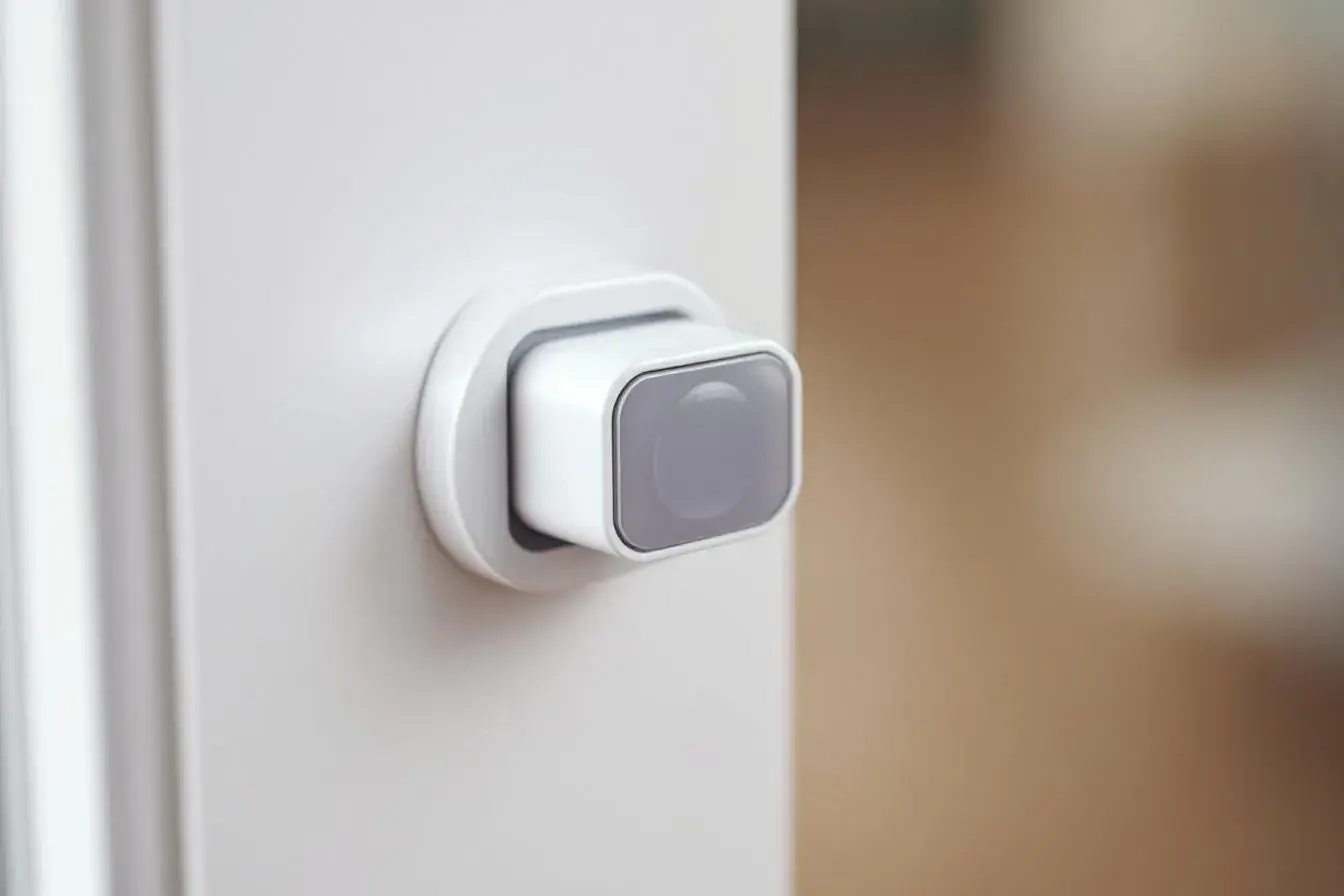
- First floor windows: Locked when not actively in use. Window sensors flag unauthorized opening.
- Second floor windows accessible from porches, garages, or trees: Same treatment as first floor.
- Garage doors: Disconnect manual release if home is empty for extended periods (prevents the wire coat hanger trick).
- Pet doors: Smaller than they look, but a determined burglar can squeeze through ones rated for medium large dogs. Consider locking covers when traveling.
The physical hardening is one time work that pays off forever.
3. Detection and Response
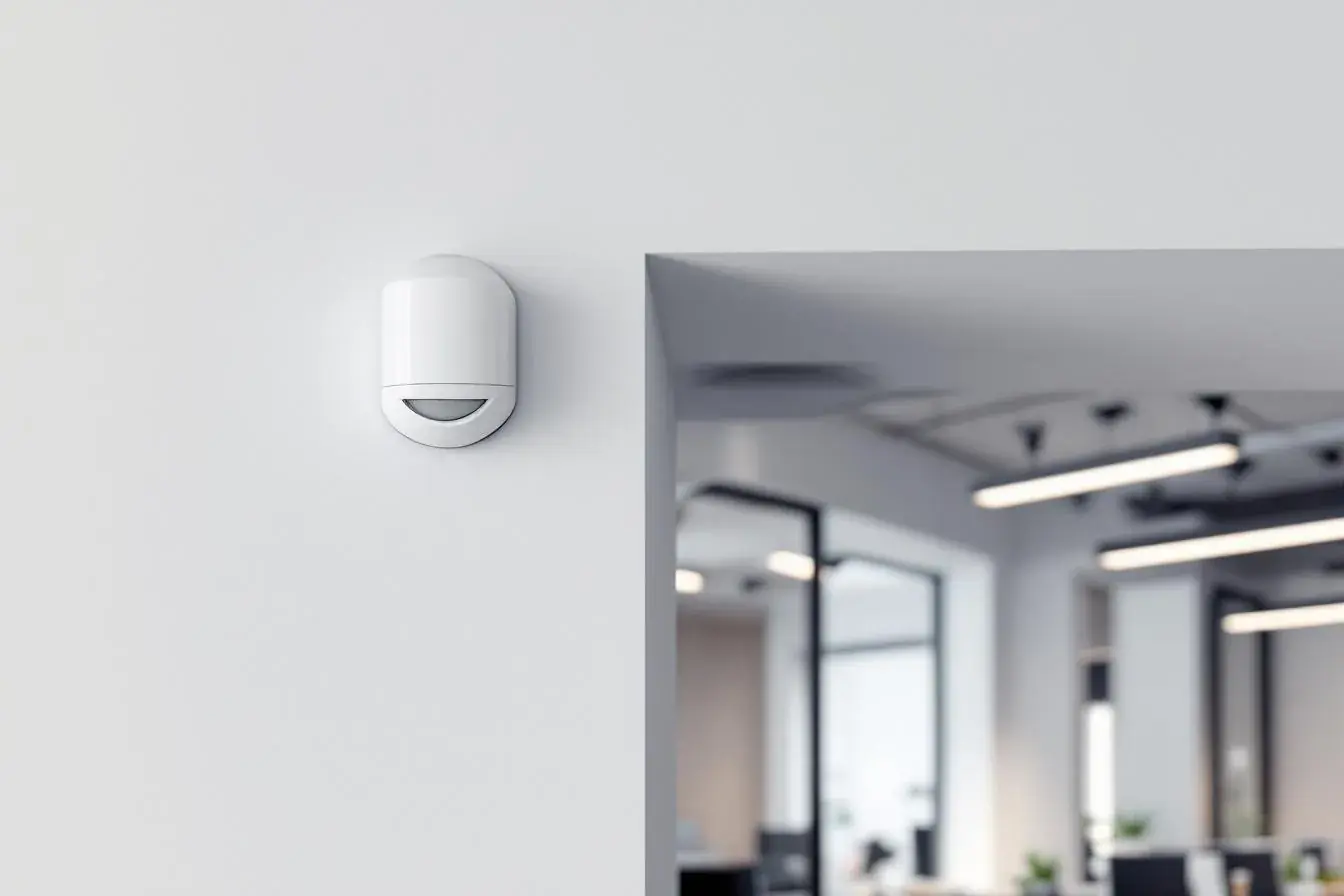
If someone gets through prevention, the third layer is detection, sensors and monitoring that respond fast enough to limit damage and increase the chance of catching the offender.
- Door and window contact sensors on every exterior opening
- Motion sensors in main interior spaces
- Glass break detectors for sliding doors and large windows
- 24/7 central station monitoring with cellular communication path (not landline dependent)
- Camera coverage of front and back entries with cloud or local NVR storage
The combination of sensors + monitoring is the difference between "alarm sounds for 60 seconds while burglar takes valuables" and "police arrive within minutes of entry, often catching the offender on premises."
What's Different About Summer Burglary Specifically
Beyond the general principles above, summer specific tactics matter:
Window Air Conditioners
Many older NJ homes still use window units. From the inside, they're convenient. From a burglary standpoint, they're a structural weak point, the unit can sometimes be pushed out of the window from the outside in seconds. If you use window units:
- Add an L bracket or anti removal bracket from outside (hardware store item, $15)
- Don't leave the window unit installed when you're traveling for more than a couple days
- If it's a ground floor unit visible from the street, mount it as securely as possible
Open Windows for Ventilation
Summer heat tempts homeowners to leave windows cracked overnight or while running errands. Even a 4-inch opening is enough for a thin tool to defeat the locks above. Better options:
- Window stops that allow the window to be open only to a fixed safe distance
- Whole house fans set on timers
- Air conditioning during peak heat, yes, a slightly higher utility bill, but cheaper than a break in
Backyard Activities With Doors Unlocked
Summer means barbecues, pool days, and yard work, and the easy habit of leaving the back door unlocked while you're "right there." Burglars know this pattern. Front door entry while everyone's in the backyard is a real and recurring scenario. Lock the front door even when home in summer.
Unaccompanied Kids Home for the Summer
School being out means kids may be home alone for stretches that don't happen during the school year. Discuss with kids:
- Don't open the door for anyone you're not expecting, including delivery drivers
- Don't post location to social media
- If something feels off, call a parent or trusted neighbor before opening the door
- Know how to use the alarm system (panic button, away mode) if you have one
The Insurance Math
The average residential burglary in the U.S. results in roughly $2,500 in losses, but that average hides huge variance. Targeted vacation period burglaries, where the burglar has time to take everything portable, frequently cause $10,000-$30,000 in losses including stolen items and property damage.
Many homeowner's insurance policies offer 5-20% discounts for monitored security systems, which often offsets a meaningful portion of the monthly monitoring cost. Combined with the ROI of preventing even a single break in, the math on professional security favors getting it done.
A 'screaming alarm' with no central station response is mostly noise. Burglars know which homes have monitoring, and which don't.
What Most Homeowners Get Wrong
The most common mistake we see in NJ homes:
- Sensors on the front and back doors, but not on the side door. Side doors are sometimes the second most used entry and the first one a burglar tries.
- Motion sensor in the living room only. A burglar entering through a back bedroom window may have time to take a lot before reaching the living room.
- Cameras pointed at the driveway, not at the front door. The driveway is informational. The front door is forensic.
- Alarm system but no monitoring. A "screaming alarm" with no central station response is mostly noise. Burglars know which homes have monitoring.
- Cellular backup as an upsell. Burglars cut phone lines. Cellular communication is the standard, not a premium add on.
How We Approach Summer Security
We've been doing residential security in NJ for over 40 years and we've watched this seasonal pattern play out every year. Our approach with new homeowners is straightforward: walk the property, identify the actual weak points (rather than recommending a one size fits all package), and design a system around those specific vulnerabilities.
For existing customers heading into summer travel, we offer free system reviews, make sure all sensors are responsive, the cellular path is communicating, and your settings are configured correctly for periods when the home is unoccupied.
Free consultations across Edison, Princeton, Morristown, Freehold, and the rest of NJ. Call 732-346-5333.