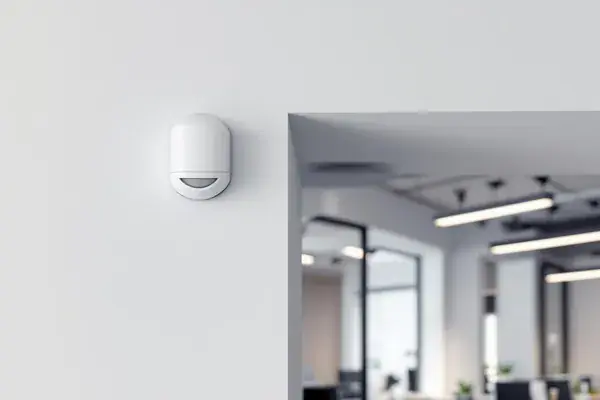
- Many New Jersey municipalities fine property owners after repeated false alarms, with ordinances that typically forgive the first and escalate charges after that.
- Most false alarms trace to a handful of causes: user error, dying batteries, pets, and aging sensors, all fixable.
- Modern verification confirms real events before dispatch. Certified Protection tunes systems to stop false alarms. Call 732 346 5333.
How Town Ordinances Work
False alarm ordinances exist because every needless dispatch costs police time. The typical New Jersey structure forgives the first false alarm or two in a year, then charges escalating fees for each one after. Amounts and thresholds vary town by town, and some municipalities also require alarm registration. Check your town's ordinance for the specifics, and take the pattern seriously: repeat offenders in some towns face response deprioritization on top of fees.
Why Alarms Actually Trip
Decades of dispatch data point at the same culprits. User error leads: wrong codes, forgotten arming status, new keyholders nobody trained. Low batteries and aging sensors come next, because a starving sensor behaves unpredictably. Pets trip motion detectors that were never configured for them. And doors that swelled or shifted make contacts intermittent. None of these are mysteries, and all of them are fixable in a single service visit.
What Verification Changes
Modern systems confirm before anyone dispatches. Camera verification lets the monitoring center see what tripped the sensor. Two way audio lets them challenge or confirm in seconds. Sequential logic waits for a second sensor before treating a signal as real. The result is that genuine events get faster, higher priority response, and false trips get resolved without a patrol car, which means without a fine.
The Tune Up That Pays For Itself
If your system has fined you twice, a service visit costs less than the third fine: fresh batteries, sensor testing, pet aware motion configuration, user retraining, and verification features enabled. Then the alarm goes back to doing its job, which is protecting the property, not billing you for owning it.