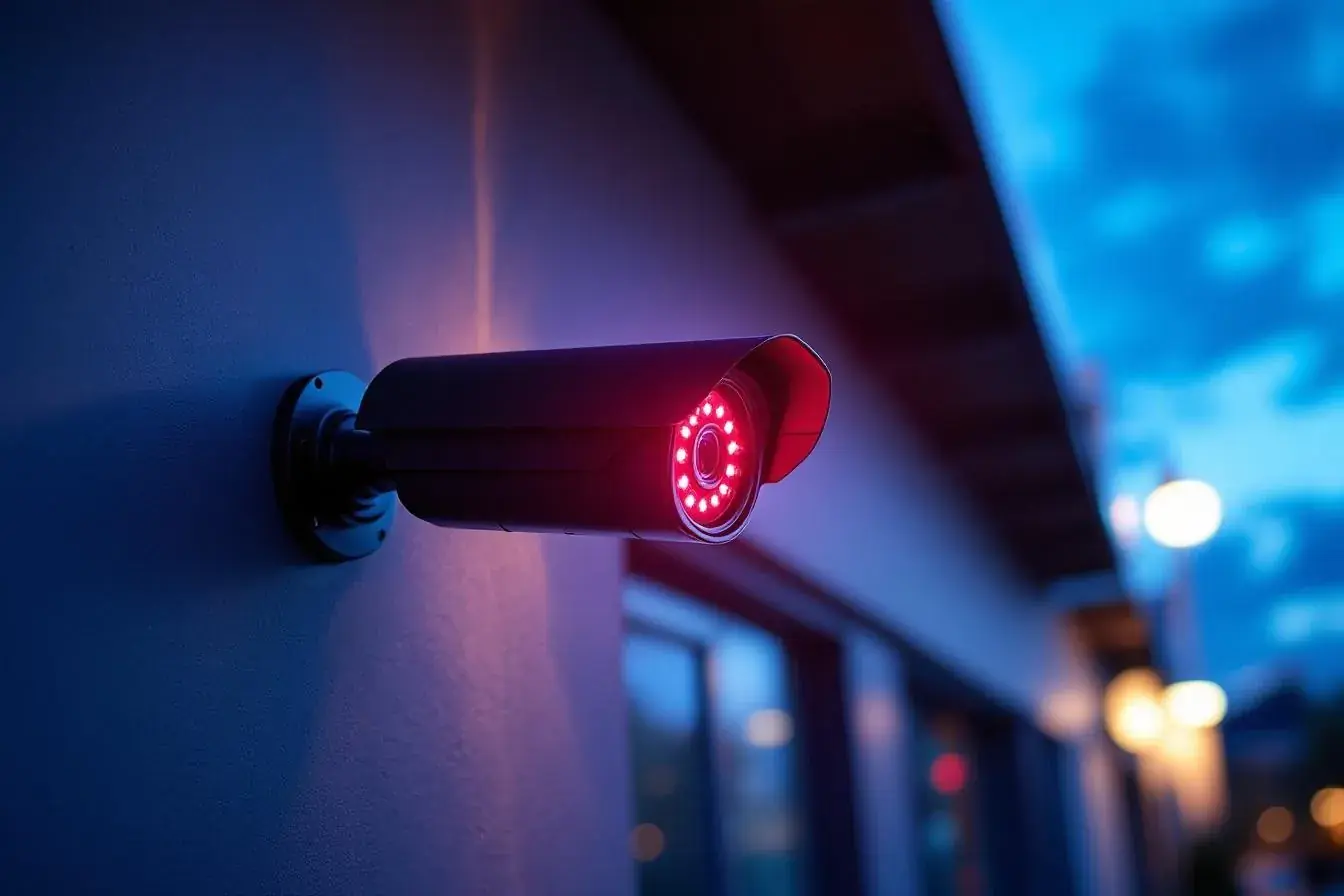
- Construction site theft costs NJ builders millions annually.
- Temporary security cameras, access control, and monitoring protect materials, tools, and equipment.
- Questions about your property? Certified Protection answers them free: 732-346-5333.
What's Getting Stolen
Construction site theft in New Jersey falls into three categories, each requiring a different security approach.
Materials theft is the most common. Copper wire and pipe top the list, scrap copper prices make it worth the risk for organized theft crews who can strip a building's worth of copper in a single night. Lumber, particularly during price spikes, is another frequent target. Appliances staged for installation, HVAC units, and electrical panels also disappear regularly.
Tool and equipment theft targets both hand tools and heavy equipment. An unlocked job trailer with $30,000 in power tools is an easy score. Skid steers, generators, and compressors left on site without GPS tracking or physical security are regularly stolen and resold across state lines before the GC even arrives in the morning.
Vandalism is the least discussed but most disruptive. Graffiti, broken windows, slashed Tyvek, and destroyed framing don't always involve stolen goods, but they cost time, money, and schedule, which on a tight NJ construction timeline can mean penalties, lost bonding capacity, or blown budgets.
Why Construction Sites Are Vulnerable
Sites are inherently difficult to secure. They're open, constantly changing, have no permanent power in early phases, and are staffed by rotating crews of subcontractors who come and go on different schedules. Traditional security measures, fencing, padlocks, on site guards, help but aren't sufficient against determined or organized theft.
The critical vulnerability window is nights, weekends, and holidays. That's when sites are empty, dark, and unmonitored. In NJ's dense suburban development landscape, many sites are within walking distance of public roads, making drive up theft trivially easy.
Temporary Security Solutions That Work
Solar Powered Camera Systems
For sites without permanent power, solar powered camera units with cellular connectivity provide video surveillance from day one of construction. These units are self contained, solar panel, battery, cellular modem, and high resolution camera, and can be repositioned as the site evolves. Footage is stored in the cloud and accessible remotely.
Temporary Access Control
Controlling who enters the site is the first step. Temporary gate systems with credential based access create a log of every entry and exit. This doesn't just prevent unauthorized access, it creates accountability among authorized personnel and establishes the kind of documentation that insurance companies and bonding agencies look for.
Monitored Alarm Systems
Motion sensors paired with central station monitoring provide after hours protection. When motion is detected in areas that should be empty, the monitoring center can verify via camera, activate audio deterrents, and dispatch police. Response time matters, and professional monitoring provides it.
The Insurance Angle
Most commercial builders' risk policies have a deductible that makes small theft claims not worth filing. But aggregate losses over a project, especially copper and lumber, can total tens of thousands. Many insurers now offer premium reductions for sites with documented security measures, including video surveillance, controlled access, and monitored alarms.
If you're a general contractor or developer building in New Jersey, security isn't just loss prevention, it's a cost management tool that pays for itself through reduced theft, lower insurance costs, and faster project timelines. We've worked with contractors across Central NJ to design temporary security packages that deploy on day one and scale with the project. Call us at 732-346-5333 to discuss your next project.