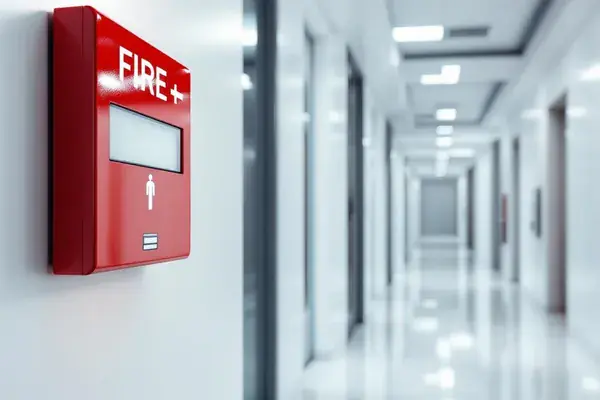
- Alyssa's Law requires New Jersey public elementary and secondary schools to have silent panic alarms that signal law enforcement directly in an emergency.
- The law is named for Alyssa Alhadeff, a New Jersey native, and made NJ the first state to mandate school panic alarms in 2019.
- Certified Protection designs and installs code compliant school alarm and notification systems. Call 732 346 5333.
What The Law Requires
Alyssa's Law requires New Jersey public elementary and secondary school buildings to be equipped with silent panic alarms. When triggered, the alarm signals law enforcement directly without an audible alert inside the building, getting police moving while staff follow their emergency procedures. Districts can also use approved alternative emergency mechanisms that accomplish the same direct notification.
Why Silent Matters
An audible alarm tells everyone, including a threat, that a response has started. A silent panic alarm moves the message straight to responders while the school executes its lockdown quietly. Seconds matter in these events, and removing the phone call from the chain saves them.
What Compliance Looks Like
Districts typically deploy fixed panic buttons in offices, wearable or mobile duress options for staff, and integration into the building's broader alarm and notification platform. The right design depends on the campus layout, the district's emergency plan, and how local law enforcement wants to receive signals. That coordination is the real work, and it is where experienced installers earn their keep.
Beyond The Mandate
Schools pairing panic alarms with access control at entries, camera coverage with clear sight lines, and mass notification get a layered system where each part strengthens the others. The mandate is the floor, not the ceiling.