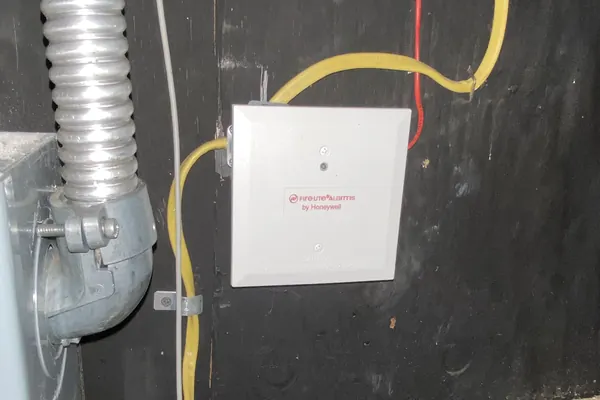
- In March 2026 the FCC made it easier for carriers to retire copper phone lines and stop selling legacy voice service. AT&T has said it aims to shut down most of its copper network by the end of 2029.
- An alarm panel that reports over a dead or converted phone line fails quietly. The local siren still works, but the central station never hears from it, and you find out during an event.
- Cellular and dual-path communicators replace the line and are supervised constantly, so a broken path gets noticed in about an hour instead of never. Call 732-346-5333.
What Is Actually Happening
The copper telephone network is being decommissioned. This has been coming for a decade, but it moved from slow to scheduled this year.
On March 26, 2026, the FCC adopted an order, unanimously, that cut filing requirements around network changes and gave carriers blanket authority to grandfather legacy services like plain old telephone voice, meaning they stop selling it to new customers. Carriers still have to get approval to discontinue legacy service and still have to notify subscribers. What changed is the friction. Retiring copper got considerably easier.
AT&T's chief operating officer has said the company already has approval to stop selling new service at roughly 85 percent of its wire centers and can begin full shutdowns at about 30 percent, with a goal of retiring most of its copper by the end of 2029. Verizon is working the same direction. Not every town goes at once, and New Jersey is a patchwork, but the direction is one way.
None of this is a security story on its face. It becomes one because of what is still plugged into those lines.
Why It Matters for an Alarm System
An older alarm panel reports by dialing. Something trips, the panel seizes the phone line, calls the central station, and transmits in tones. It is slow and it is ancient, and for thirty years it worked fine because the phone line was the most reliable thing in the building.
The failure mode is what makes this worth your attention. If the line is dead, cut, or converted to a service the panel cannot dial over, the alarm still does everything local. The siren sounds. The keypad complains. The lights flash. What does not happen is the part you pay for: nobody is notified and nobody is dispatched.
And it is silent. A homeowner whose phone line was disconnected eight months ago has an alarm system that has been decorative for eight months, and nothing about the day-to-day tells them. We find this on service calls constantly, usually when someone finally asks for a communication test.
The one that stings is the burglary where the system worked exactly as designed, made plenty of noise, and never reached anyone, because the line went away during a phone company change the customer did not connect to their alarm.
The VoIP Trap
Most people do not lose their phone line. They switch it. The cable company or the fiber provider bundles phone service, your number comes along, the handset works, and nothing feels different.
The alarm panel disagrees. Digital voice service is not built to carry alarm signal tones, and whether a given panel gets through depends on the provider's equipment, the codec, line quality, and luck. It may work. It may work most of the time. It may fail in a way nobody notices because signals only matter on the day they matter.
Two more things come with the switch. VoIP dies in a power outage once the modem's battery runs down, typically a few hours, while old copper carried its own power from the central office. And the modem is usually inside the house, often near the front door, which is not where you want the thing your alarm depends on.
The rule is simple: if you change phone service, test your alarm's reporting. Not the siren. The reporting. Call your alarm company, have them put the account on test, and confirm signals arrive. This also applies after rewiring, a new modem, or any work on the demarc.
What Replaces It
Three paths, and most systems end up on one of the first two.
- Cellular communicator. A radio inside or beside the panel with its own connection to the carrier network. It does not touch your phone line, your WiFi, or your router. This is the common answer for homes and small businesses, partly because it removes a dependency rather than swapping one for another.
- IP over the building's network. Fast and cheap when there is a reliable connection, but it goes down with the internet, so it is usually paired rather than used alone.
- Dual path. Cellular plus IP, each watching the other. Standard for commercial buildings and anywhere a lapse in reporting is a real liability.
The upgrade people underrate is supervision. A phone line is not meaningfully watched. It can sit dead for months and the only hint is a trouble light nobody reads. A cellular path checks in on a schedule, so when it stops the central station knows within about an hour and can tell you something is wrong before you need the system.
There is also a bill worth looking at. Plenty of businesses are still paying forty to sixty dollars a month for a copper line that exists for nothing but the alarm. Against that, a cellular communicator frequently pays for itself inside a year or two, which is an unusual thing to be able to say about a security upgrade.
Commercial Fire Alarms Have Their Own Rules
If the panel is a fire alarm, this stops being a preference and becomes a code question.
Fire alarm communication is governed by NFPA 72 as adopted by your jurisdiction. The traditional arrangement was two phone lines, on the theory that two paths beat one. Current practice recognizes that a single path can be acceptable when it is supervised closely enough to catch a failure quickly, which is what cellular communicators are built to do, and also recognizes the weakness in the old setup, since two lines leaving the same building often ran through the same switch and failed together.
The exact requirement depends on the NFPA 72 edition your town has adopted and on your fire official, so this is a conversation to have with your alarm contractor and your AHJ rather than something to settle from an article. Practically, it comes up at the annual inspection, when the communication path gets tested end to end. If a building is still on two copper lines, the time to plan the change is now, while it can be scheduled around a normal inspection visit instead of handled as an emergency after a carrier notice lands.
How to Tell What You Have
You can work most of this out yourself in a few minutes.
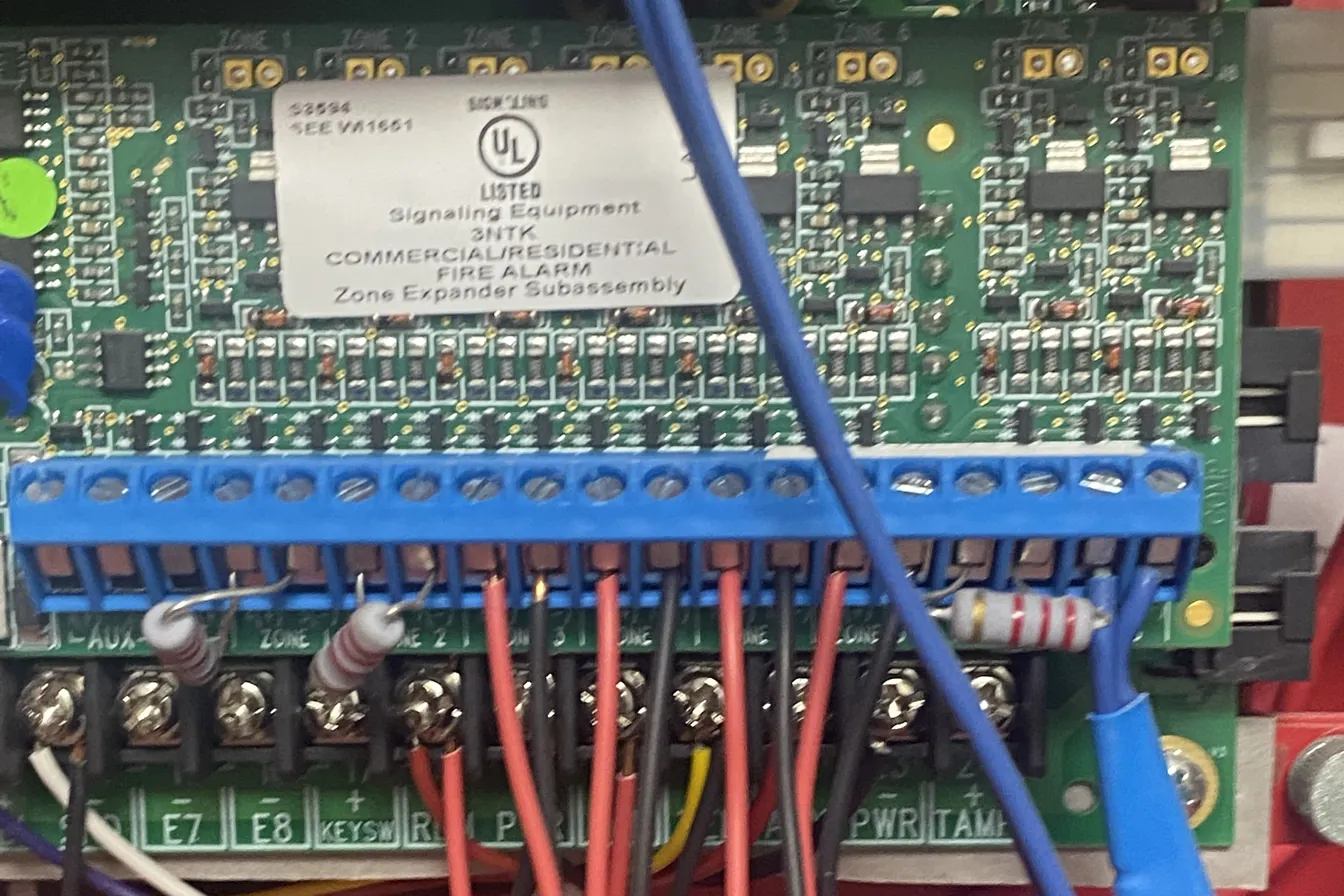
- Look at the panel. It is usually a metal box in a basement, closet, or utility room. A phone cord, typically an RJ31X jack, running into it means the system dials out over a phone line.
- Check the age. A panel installed before roughly 2010 and never touched since is very likely phone-line only.
- Read your phone bill. A line you never make calls on is almost certainly the alarm line, and it is the clearest sign you are on copper.
- Look for a radio. A small module with an antenna inside or next to the panel means a cellular communicator is already installed.
- Ask for a test. The only answer that counts. Your alarm company puts the account on test and verifies signals actually land. If you are weighing providers, our guide on switching alarm companies in New Jersey covers how to do that without a gap in coverage.
If you are not sure who monitors you or whether anything is getting through, that is worth a phone call on its own. We test communication paths and upgrade panels to cellular and dual path across Edison, Woodbridge, Metuchen, New Brunswick, Piscataway, and Middlesex, Monmouth, Union, Somerset, Essex, and Morris counties. Call 732-346-5333 or use the form below.